How to Choose the Right Dry Cooler for Your Data Center: A Complete Buyer's Guide
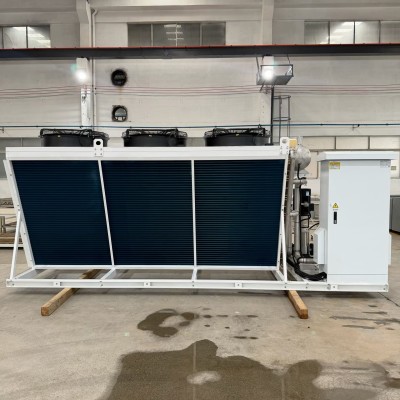
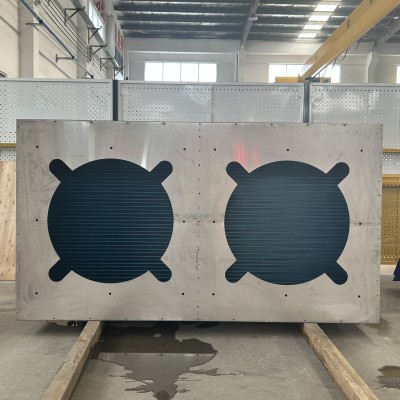
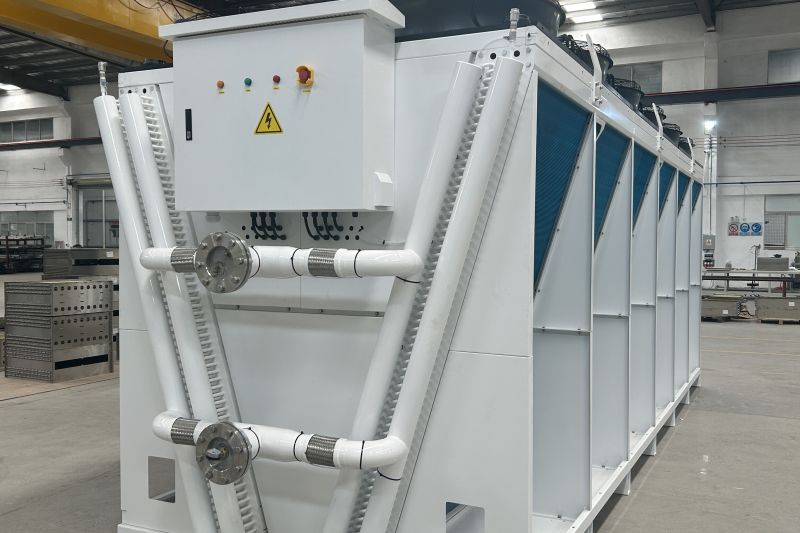
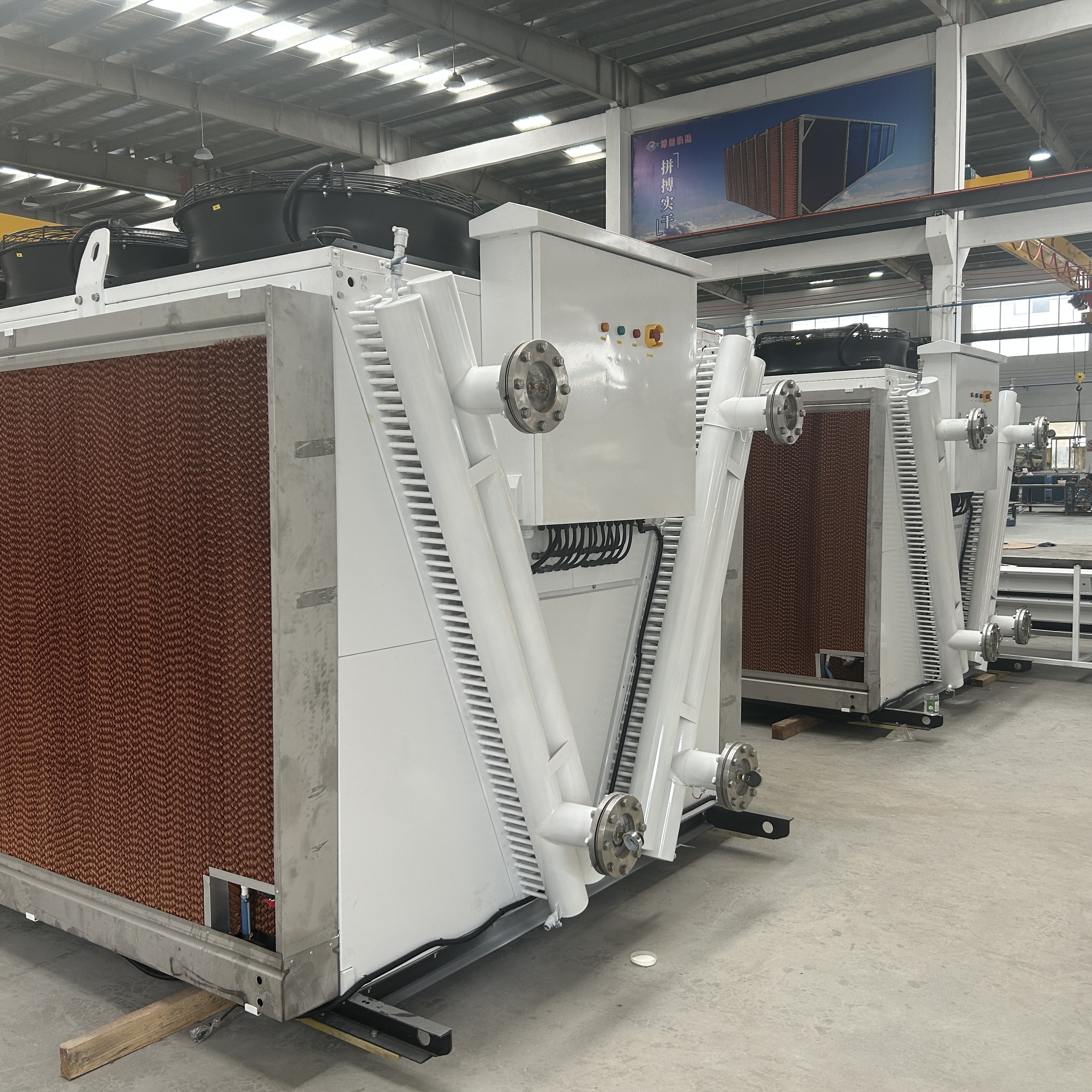
Data centers consume enormous amounts of energy, and cooling accounts for up to 40% of total facility power usage. Selecting the right dry cooler for your data center is one of the most consequential infrastructure decisions you will make — it directly impacts your Power Usage Effectiveness (PUE), operating costs, and long-term scalability. This guide walks you through every critical factor, from heat load assessment to material selection, so you can make an informed decision with confidence. Before evaluating any dry cooler model, you need a precise understanding of your facility's total heat rejection requirement. This is the foundation of all subsequent decisions. Heat load calculation starts with summing the power consumption of all IT equipment — servers, storage, networking — because nearly all electrical energy consumed by IT hardware converts to heat. A common rule of thumb: total heat rejection (kW) is approximately equal to total IT power draw (kW). For example, a data center consuming 1MW of IT power requires approximately 1MW of cooling capacity. Modern rack densities are rising rapidly. Traditional racks drew 5–10 kW each, but AI and high-performance computing workloads now push individual racks to 15 kW, 30 kW, or even 50+ kW. This trend makes scalable dry cooler solutions essential — you need cooling that can grow with your facility. Boyi Cooling 1880KW SS Tube V-type Dry Cooler deployed for data center cooling Your geographic location and local climate fundamentally determine dry cooler performance. Dry coolers rely on ambient air to reject heat, so the temperature difference between the process fluid and ambient air (approach temperature) governs cooling capacity. Key climate factors to evaluate: For sites in extreme climates, Boyi Cooling offers customized configurations including wet curtain (adiabatic) pre-cooling pads that can reduce incoming air temperature by 5–10°C, significantly boosting effective cooling capacity during peak summer conditions. Dry coolers come in several configurations, each suited to different spatial constraints and airflow requirements: V-type dry coolers are the most popular choice for data centers due to their excellent balance of cooling capacity, compact footprint, and efficient airflow dynamics. The V-shaped coil arrangement maximizes heat transfer surface area while minimizing ground space — a critical advantage when real estate is expensive. Boyi 930KW Copper Tube V-type Dry Cooler with wet curtain for a Dubai data center The tube material inside a dry cooler coil directly affects thermal performance, corrosion resistance, and total cost of ownership. Two primary options dominate the market: Boyi Cooling manufactures both copper tube and stainless steel tube configurations, paired with aluminum fins, stainless steel fins, or all-copper construction, depending on your application requirements. For data centers in corrosive environments, SS tube with SS fins provides maximum longevity. Boyi 2.5MW Stainless Steel Tube V-type Dry Cooler — designed for maximum corrosion resistance Modern dry coolers are not just passive heat exchangers — they are intelligent, connected devices that optimize performance in real time: Ensure your dry cooler meets all relevant standards and certifications for your region and application: Boyi Cooling designs and manufactures all custom dry coolers in compliance with international standards, with full documentation available for inspection and certification audits. A hyperscale data center operator in Southeast Asia needed a reliable cooling solution for a 1.88MW IT load in a tropical climate with ambient temperatures regularly exceeding 35°C and high humidity. The facility required minimal water usage — eliminating evaporative cooling towers as an option. Solution: Boyi Cooling engineered a custom 1880KW stainless steel tube V-type dry cooler with the following specifications: Results: The system achieved a PUE improvement of 0.15 compared to the previous chiller-based system, with zero water consumption during 70% of operating hours. The wet curtain system engaged only during peak summer afternoons, reducing annual water usage by 95% compared to traditional cooling towers. Custom-engineered stainless steel tube V-type dry cooler delivering 1880KW cooling capacity for data center applications. Features EC variable-speed fans, BMS integration, and optional wet curtain pre-cooling for peak summer performance. Use this checklist when evaluating dry cooler suppliers and specifications: Choosing the right dry cooler for your data center requires careful analysis of heat load, ambient conditions, space constraints, material requirements, and smart control features. By following this systematic approach and working with an experienced manufacturer like Boyi Cooling, you can achieve optimal cooling performance, lower PUE, and reduced total cost of ownership. With 20+ years of thermal engineering expertise, custom manufacturing capabilities from 60KW to 2.5MW+, and a proven track record across 30+ countries, Boyi Cooling is your trusted partner for data center cooling solutions. Contact our engineering team to discuss your specific requirements, or send an inquiry for a customized cooling solution proposal.Step 1: Assess Your Data Center Heat Load
Step 2: Evaluate Ambient Conditions
Step 3: Choose the Right Dry Cooler Type
Step 4: Select the Right Tube Material
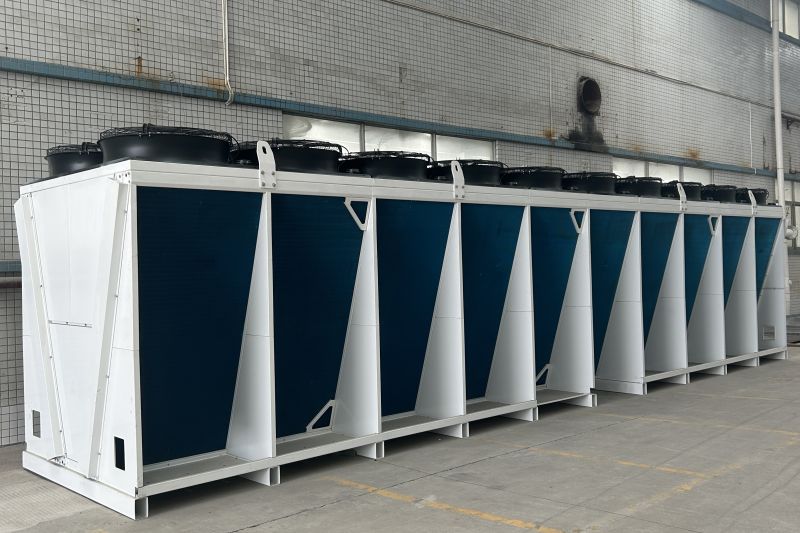
Step 5: Smart Features and Control Integration
Step 6: Compliance and Certifications
Real Case Study: Boyi 1880KW SS Tube V-Type Dry Cooler
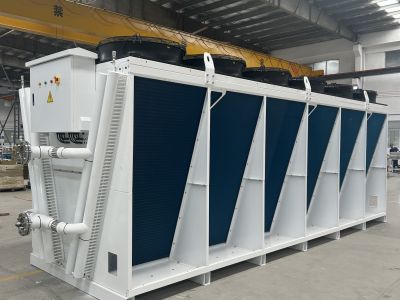
BOYI 1880KW SS Tube V-Type Dry Cooler for Data Center Cooling
Buyer's Checklist: Key Questions to Ask Before Purchasing
Conclusion