Application and Functions of Cold Water Coils & Hot Water Coils in Greenhouse Cultivation
Application and Functions of Cold Water Coils & Hot Water Coils in Greenhouse Cultivation
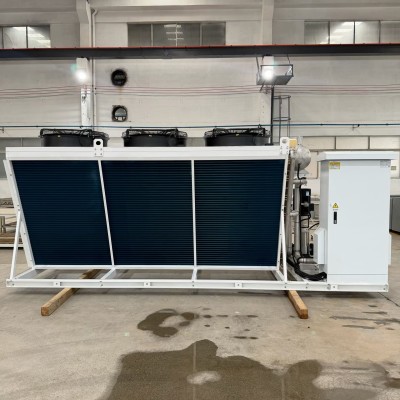
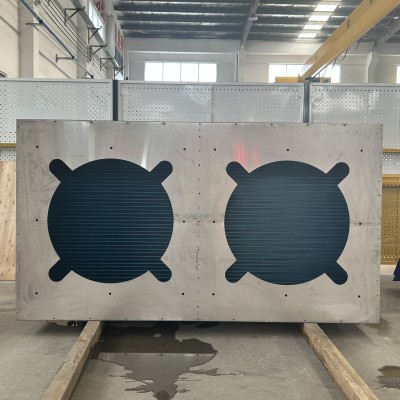
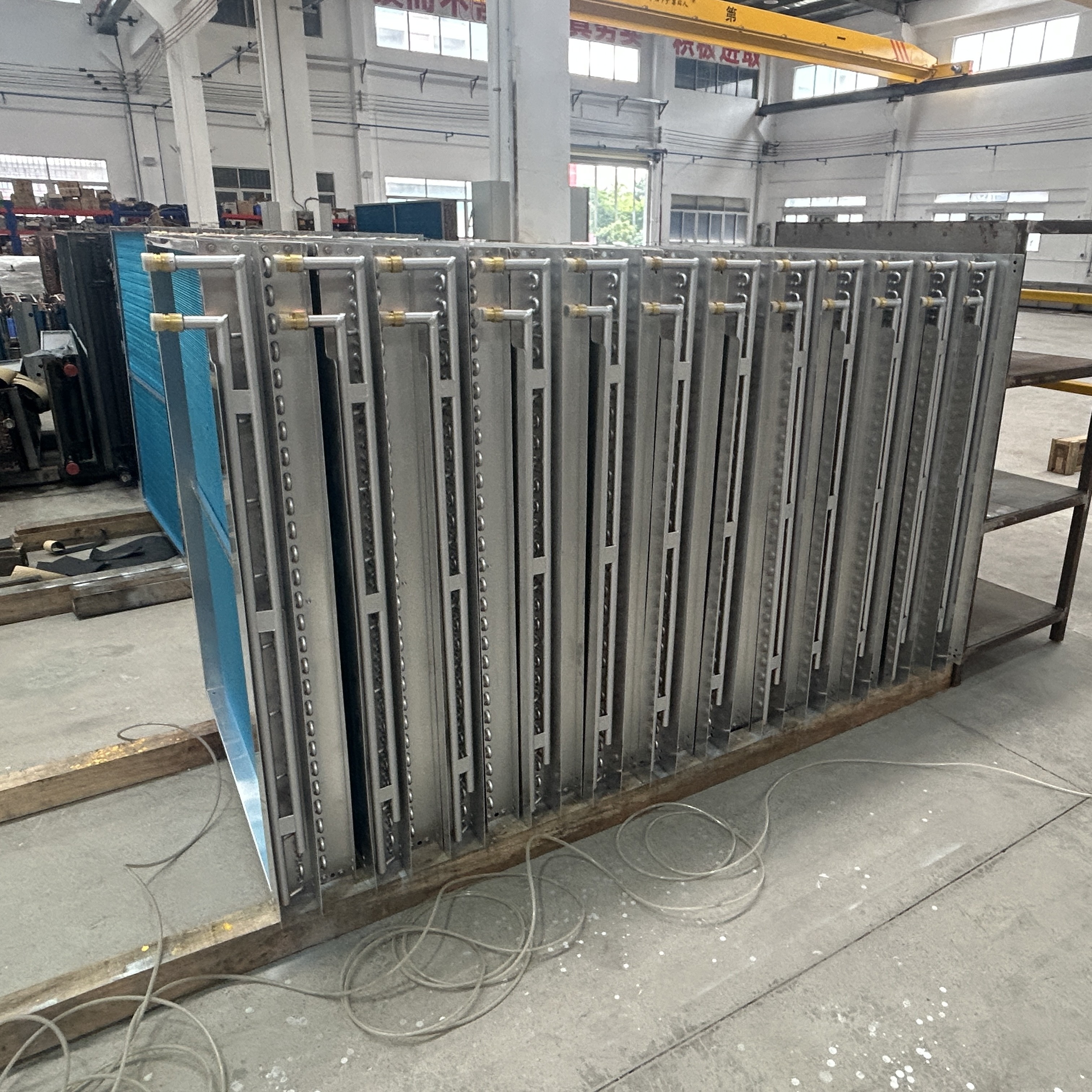
Hot water coils and cold water coils are essential heat exchange components in modern intelligent greenhouses. They realize precise temperature and humidity control through circulating hot/cold water, creating a stable growth environment for crops.
Hot Water Coils
Main Functions:
1.1 Heating and Anti-freezing in Winter
Provide stable heating for greenhouses in low-temperature seasons, prevent crops from freezing damage and ensure normal growth at night or in early spring.
1.2 Improving Air and Soil Temperature
Evenly raise the ambient temperature inside the greenhouse, avoid local cold spots, and promote root development and nutrient absorption of plants.
1.3 Reducing Humidity and Inhibiting Diseases
Lower relative air humidity, reduce leaf surface condensation, and effectively suppress fungal diseases such as downy mildew and botrytis.
1.4 Creating a Suitable Environment for Seedlings
Supply mild and uniform heat for nursery greenhouses, avoiding excessive drying or temperature fluctuations that harm young plants.
Cold Water Coils
Main Functions
1.1 Cooling in High-temperature Seasons
Reduce indoor temperature in summer to prevent crop sunscald, excessive growth, flower and fruit drop caused by high temperatures.
1.2 Dehumidification and Anti-condensation
Condense moisture in the air through low-temperature coil surfaces, effectively control humidity, and avoid excessive humidity-induced diseases.
1.3 Stabilizing Growth Environment
Maintain constant temperature and humidity for high-value crops such as flowers, strawberries and medicinal plants, ensuring stable growth rhythm.
1.4 Supporting Closed CO₂ Fertilization
Realize cooling and dehumidification with less or no window opening, retaining carbon dioxide and improving photosynthesis efficiency.
Combined Application
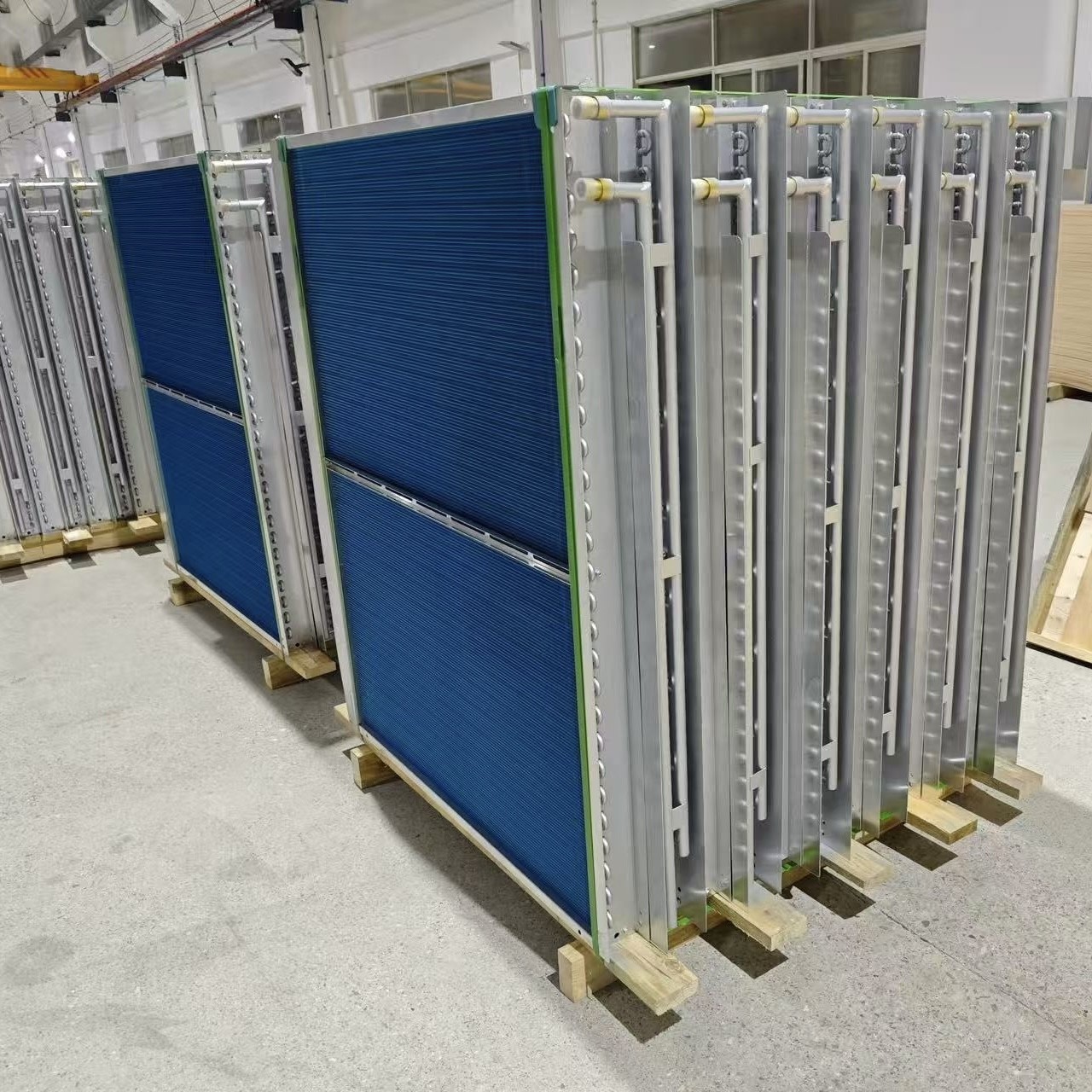
In most modern greenhouses, the two coils share a set of fan-coil systems and switch between cold and hot water sources seasonally:
1. Winter: Hot water circulation for heating
2. Summer: Cold water circulation for cooling and dehumidification
3. Transitional seasons: Flexible adjustment to achieve year-round constant temperature and humidity, improving crop yield and quality.